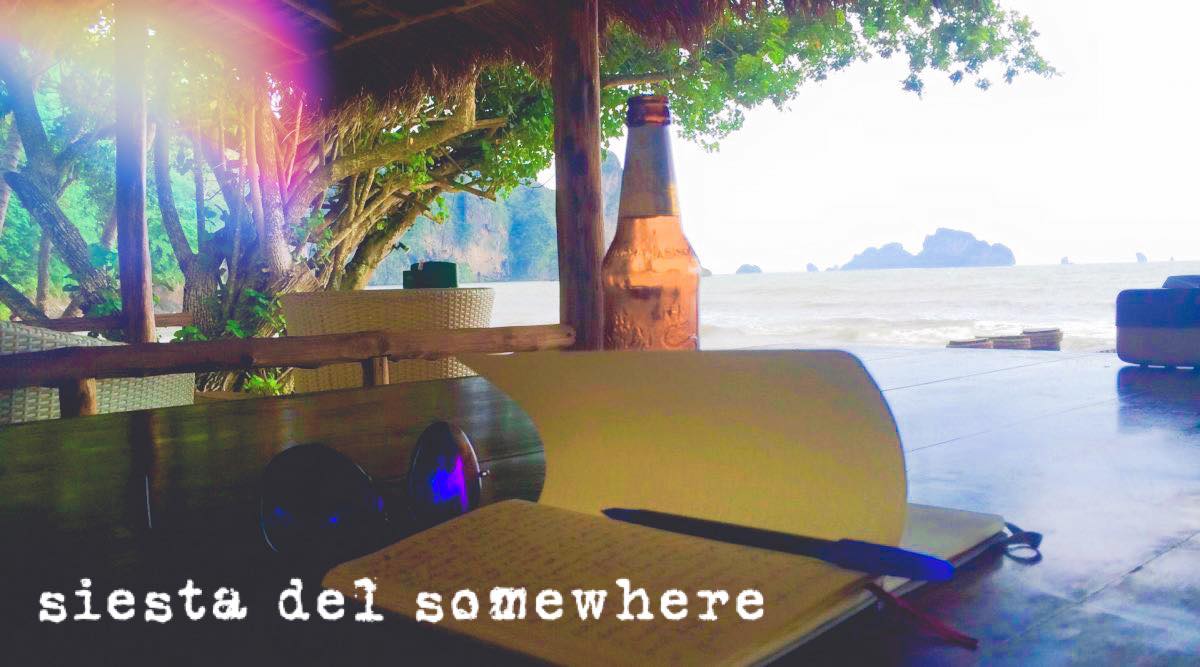
There is no blue like the Mediterranean blue. It has its own complexion and light which shines throughout it depths. It is made all the more intense when it comes into contact with the endless sunshine of July. When this happens, a timeless summer returns to dance on the water’s surface once again, allowing a clear blue to flood this breathing body of water with a vibrant hue. The colour produced begins to speak of an ageless, living link to those other worlds long since dimmed. These are, after all, the waters that Odysseus sailed upon – as he desperately sought to return to his island home of Ithaca. There were numerous obstacles he faced on his journey: a battle with a cyclops, a storm sent by Poseidon, even his crew were almost seduced by the apathetic lifestyle in the Land of the Lotus Eaters. But despite all this, Odysseus did make it home – even evading the Sirens of Sorrento (those mythical creatures who lured passing sailors onto the rocks of the Amalfi Coast through the hypnotic lure of their songs and music). Here in Sorrento, I spent time today.
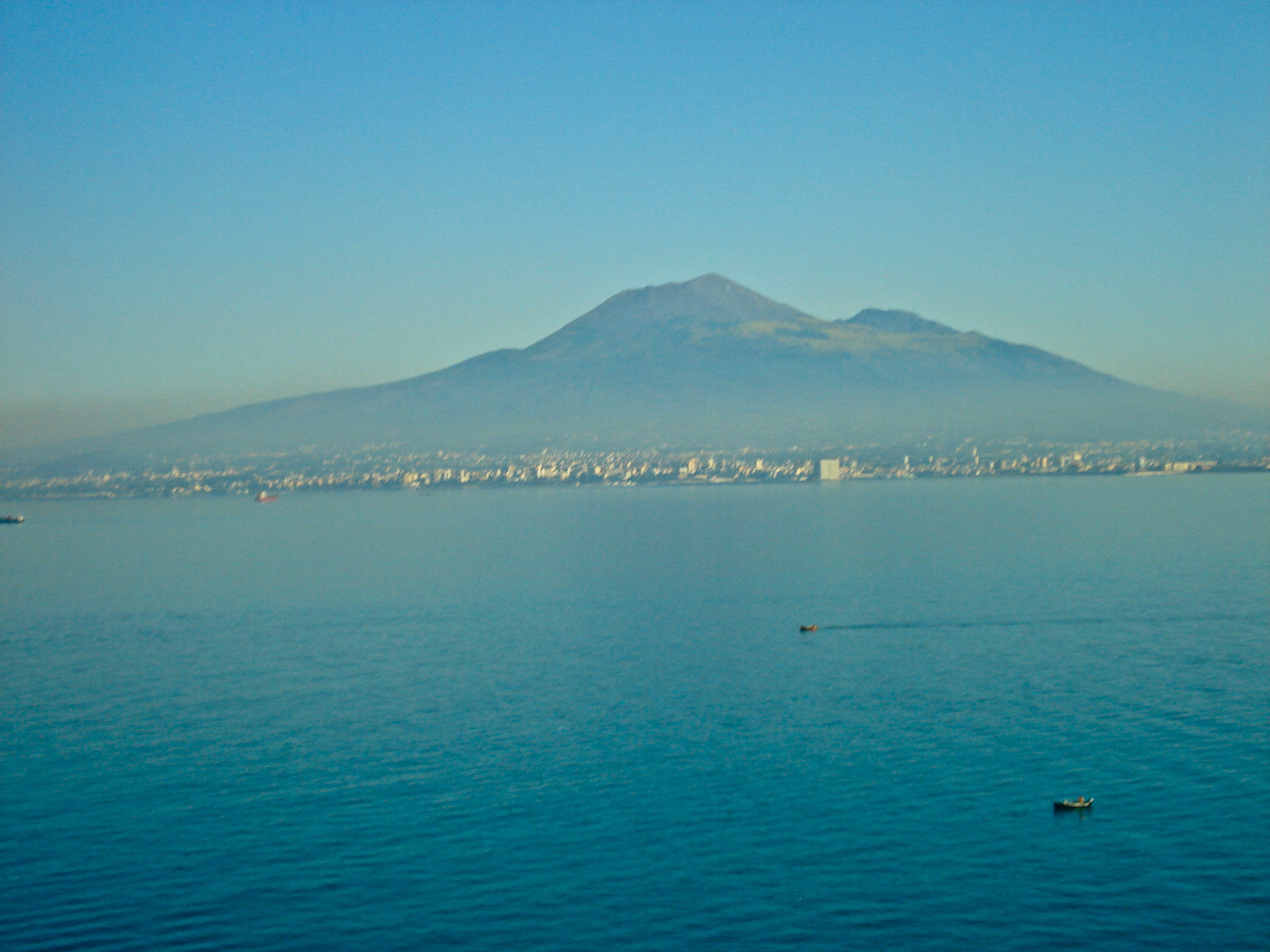
Somewhere off the Piazza Tasso I have found a place to sit in the shade. It is eleven o’clock in the morning and I am drinking coffee at a bar somewhere in these narrow, back streets which slope down towards the sea. The sun is already very strong. People now stay in the shadows. Many are smoking. Only giant stone buildings brave the direct bite of the sunlight. One, with a sand coloured façade, is decorated with large sprayed-on black graffiti reading, ‘Ti amo Giugglieta’ – another scratched in ink warns, ‘Don’t waste your time or you time waste you [sic].’ Birds sing, phones ring and small scooters scuttle off to unseen adventures. Time stands still. The streets here in Sorrento, smell so different to that of anywhere else; it is as if they are perfumed with citrus or lemons. Many of the streets house tall, overhanging trees and vines with coloured flowers of bright purple, crimson and pink. Beyond the blossoms and terracotta air, there are dozens of zigzagging steps leading down from cliff-top heights towards the waters of the Mediterranean blue. Sunlight dances on the face of the water. The Bay of Naples, visible along the coast, catches each rhythmic rolling wave moving in from the deep. The silent silhouette of Vesuvius sleeps on the horizon.
One of the first things I did on arrival here was to buy a postcard from the first tourist shop I found. Ciao de Sorrento. I wanted to send it to an Italian restaurant in Northbridge, Western Australia, which shared the same name. Years earlier I had worked as a barista there. I had loved that job so much. The family who owned the restaurant had been extremely kind to me when I was a migrant, and I had been keen to send them a postcard from the place which shared its name. Ciao de Sorrento.
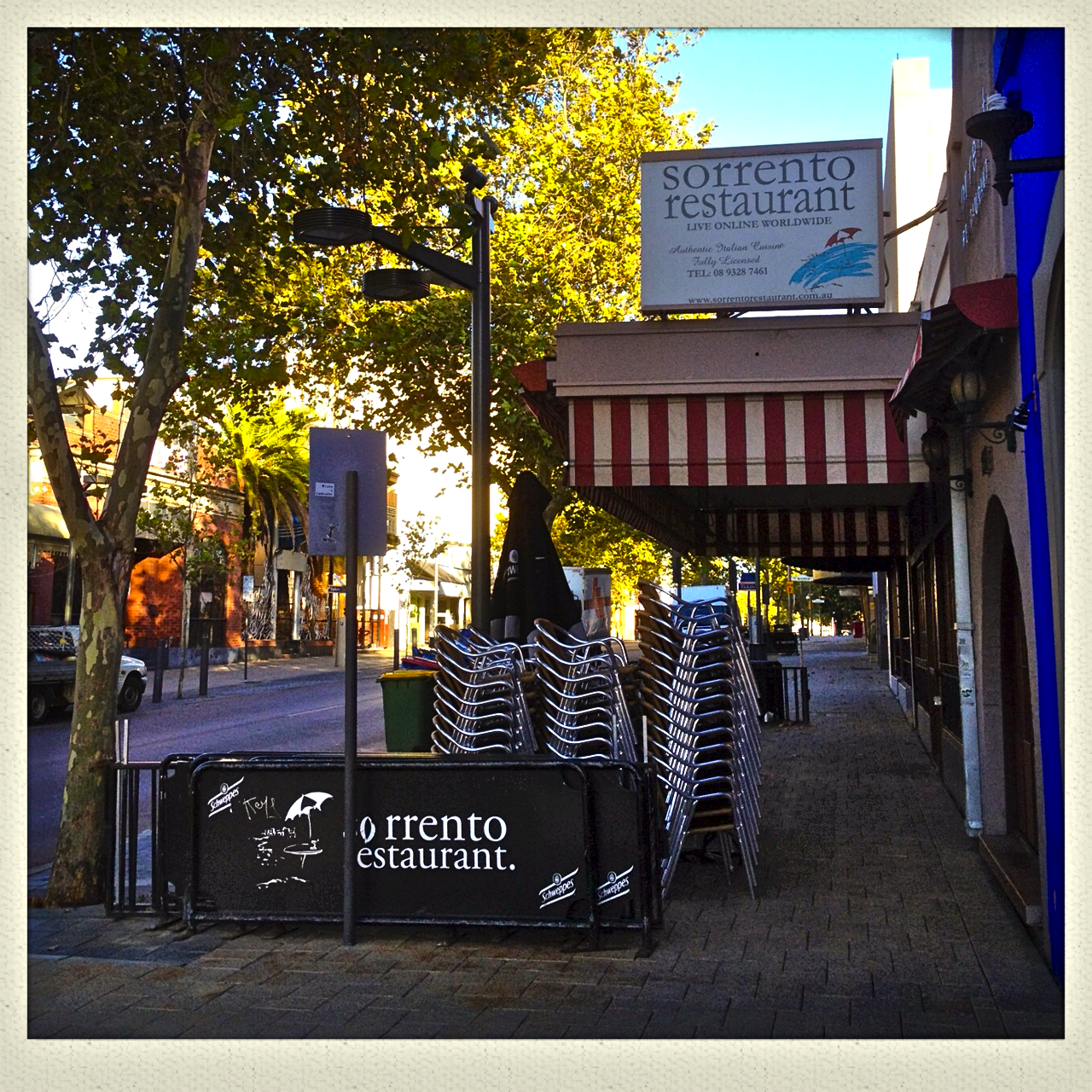
As I finished my coffee and wrote my postcard, I thought of the restaurant and the people I had met there. During the summer months, when I helped to open the restaurant in the mornings, a flow of regulars (mainly old men) would come inside to socialise with each other over a coffee. All had been born in Italy. All spoke Italian. They freely shared their stories – stories of Italy, stories of Australia, stories of migration. These stories were shared amongst each other and with the staff – many of whom were young migrants and travellers. They were from all parts of the world. People from Italy, Brazil, Czech Republic, Germany, Slovakia, Canada, Norway. Many stories and stories of adventure were shared across the generations. Friendships arose from that restaurant and some still endure. The lingua franca was the commonality of journeying. Being travellers they all shared an awareness in the finite currency of Time – the precious moments that could be shared together; never urgent, never wasteful, Time was always used to share something together.

The rest of my afternoon in Sorrento led me down to the ocean. There at the Marina Grande I stood for a while and watched small, bobbing boats sigh slowly in the sheltered sea. Fishing nets had been hung up and dried on anchored sails, small red buoys, strung out across the dancing shoal of moving waves, rose and fell. Shops and houses toppled forward from staircases of stone steps which moved through shaded arches, carrying the call of the Catholic Mass for midday with chiming bells sounding loudly in the ocean air. Colours seemed so pure. I bought a bottle of limoncello from a woman called Carmel who was celebrating her name day in her shop near the water’s edge. I ate a meal of seafood for lunch – I tasted butter, olive oil, garlic, basil, parsley, tomatoes, mussels, clams, calamari, fish; I tasted the Mediterranean. I remember sitting there thinking that had it not been for that restaurant in Northbridge I would not have visited this beautiful place and would never have experienced this moment.

After lunch there was still time to kill until my coach departed Sorrento at dusk. So, I wandered, slowly, through the streets. Scooters and tourists mingled without conflict or collision. I saw an old woman sat on some stone steps, drying herbs and chillies in the fierce sun. Crushed, packaged and labelled she sold them in small, white paper sachets from a basket. Shops lionised the afternoon shade and displayed their goods outside. Beautiful glass vases, coloured and swirled, were stacked on flat white shelves. Other shops paid homage to an Argentinian genius who once played for SSC Napoli. Endless rows of azure shirts carried the name ‘Maradona 10’ reminding us that he, too, once danced in this sunshine – winning two Serie A Scudetto Championships in another time.
The myth of Odysseus was used by another shop to promote its produce of large, coloured ceramic plates. A giant mosaic had been created on one of its exterior walls. Sitting in the middle of this artwork were three plates – all differing in size – featuring ships and mermaids. On one of these plates a lone figure, silhouetted and bound in white ropes, stood at the bow of the ship, with the foam of crashing waves sending spray upwards around him, while looking straight ahead at the floating shape of a woman with wings and the tail of a large fish. On the large mural were words written Italian: Secondo le leggenda le sirene, erano donne ucello le qua questo mare matarono in donne pesce dopo che Ulisse riuste a resistere al loro canto (“Legend tells that in the beginning the mermaids were birds, and that, in this sea, Odysseus survived their singing, so that the strange creatures, deceived, changed from birds into fishes.”) This local legend still celebrates the link between Sorrento and the ancient myth of Odysseus – namely that the Sirens in the story had once belonged to these coastal waters.

Of all the writers who have devoted their time to understanding the potential purposes myths can still give us, Joseph Campbell is perhaps the most celebrated. In The Hero With A Thousand Faces, Campbell is at pains to remind us that Odysseus was often at the mercy of the winds of an angry Poseidon, driving him around the Mediterranean without reason or apparent purpose. The myth of Odysseus, like any myth, reminds us of an extraordinary event that happened long ago, linking time and place together. But myths can do much more than that. They can also remind us that we never travel alone. To quote Campbell, ‘where we had thought to travel outward, we shall come to the centre of our own existence; where we had thought to be alone, we shall be with all the world.’ According to the myth, it took Odysseus ten years to reach his home. For those travellers who search the world for a place to call ‘home’ or those who just ache to experience the feeling of belonging they need for a moment in their lives, the voyage of Odysseus around the Mediterranean reminds us that despite the travails which can arise in moments of our own existence – and even threaten to shipwreck our dreams and searches – his resolute vision of returning ‘home’ to Ithaca ultimately prevailed.
It was almost sunset when my coach departed Sorrento. From my seat at the back of the bus, I watched a setting sun begin to coat the Bay of Naples in a glowing, orange dust. Then the sun burnt an intense ruby red as it sunk. Silhouettes of palm trees passed in front of my window. The silhouette of Vesuvius towered upwards towards a clear sky. As the dusk and twilight gave way to the night, a new moon appeared – its thin, white crescent shone clearly as it rose.
*
 siesta del somewhere